The challenge extends far beyond coastal towns and beach promenades. In some parts of the country, those pressures are already having visible consequences. Compounding the issue, grid congestion has become a growing challenge in
Utrecht and many surrounding regions. This is being driven by familiar changes in everyday life. New housing developments, the rapid rise of electric vehicles, heat pumps, and steadily increasing energy demand. Together, these are placing increasing pressure on an electricity network that was never designed for today’s level of electrification. As a result, developments are facing delays while waiting for available grid capacity. However, it is worth noting that off-grid lighting for beaches alleviates some of these pressures by operating independently from the electric grid.
The question is becoming increasingly relevant: What happens when the infrastructure we depend on can no longer keep up?
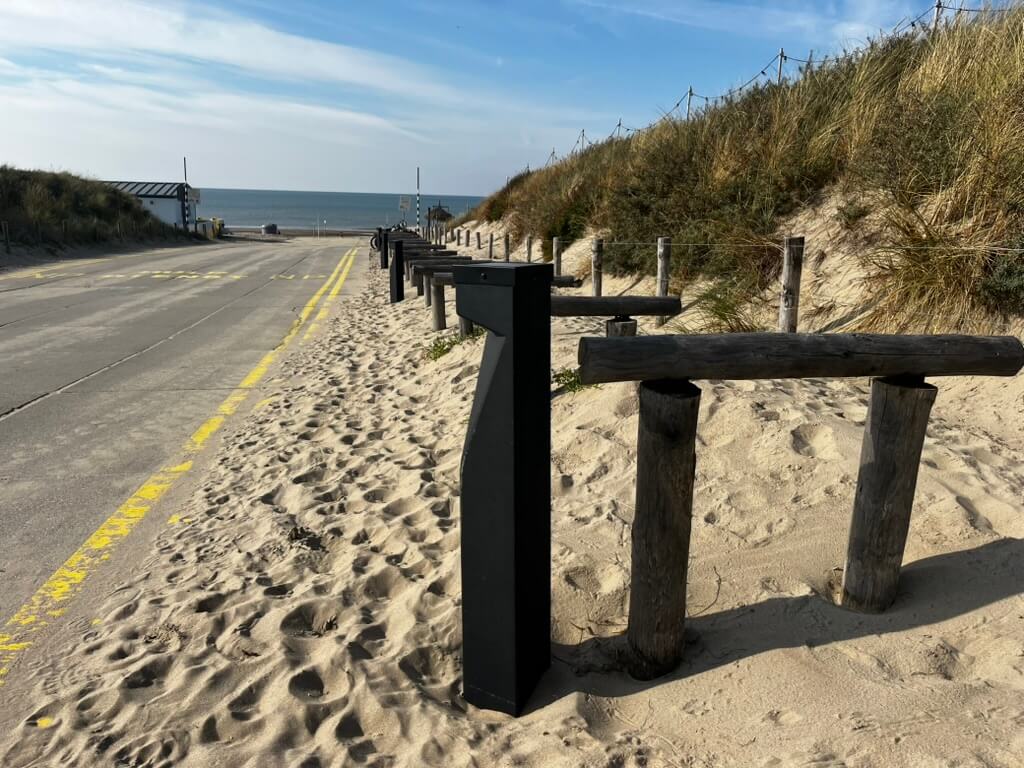
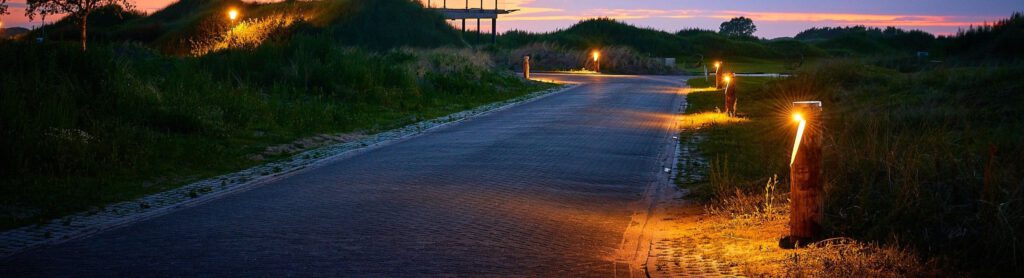
Along the coast, the situation takes a different form, where some time ago, SolarWoodle installed solar-powered lighting in Noordwijk aan Zee, showing how off-grid solutions can provide reliable lighting without depending on grid availability. At first glance, Noordwijk and Utrecht seem like completely different environments. One is a busy urban region facing grid constraints. The other is a coastal destination known for its beaches, tourism and open landscapes. Yet both locations share a common challenge: infrastructure must remain reliable despite difficult conditions.
In
Utrecht the challenge is primarily infrastructural, driven by rapid urban growth, electrification and increasing demand. In contrast, in Noordwijk, these challenges are physical. Strong coastal winds, shifting sand dunes, salty air and heavy seasonal visitor traffic create an environment where durability matters. Thousands of visitors can arrive on busy summer days, transforming quiet beach paths into active public spaces. In such a scenario, lighting must remain visible, functional and safe throughout it all. And SolarWoodle has it covered. Because SolarWoodle not only cares about the environment and sustainability, but also about your comfort and safety. Furthermore, off-grid lighting for beaches plays a key role in making these areas accessible and enjoyable regardless of grid limitations.
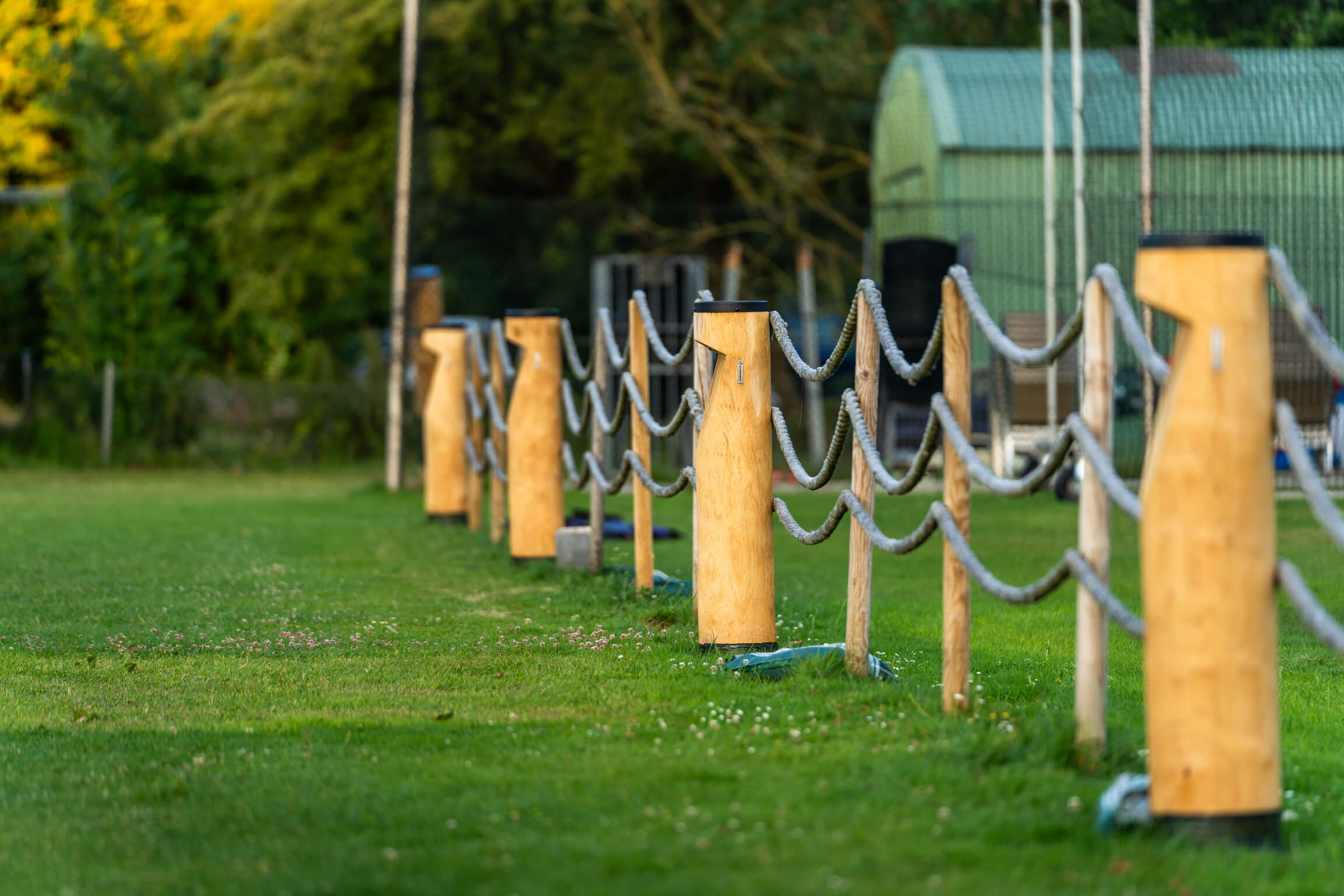
SolarWoodle on the grounds of Maarschalkerweerd Noord –
Utrecht
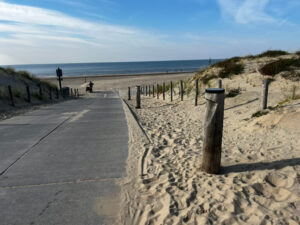
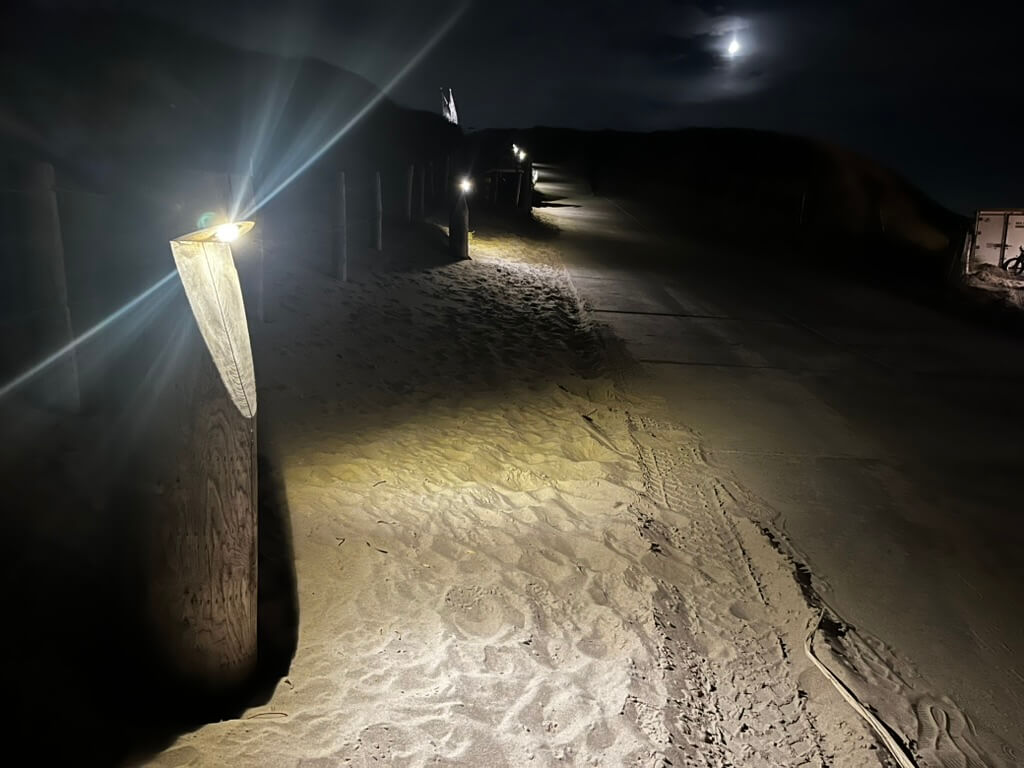
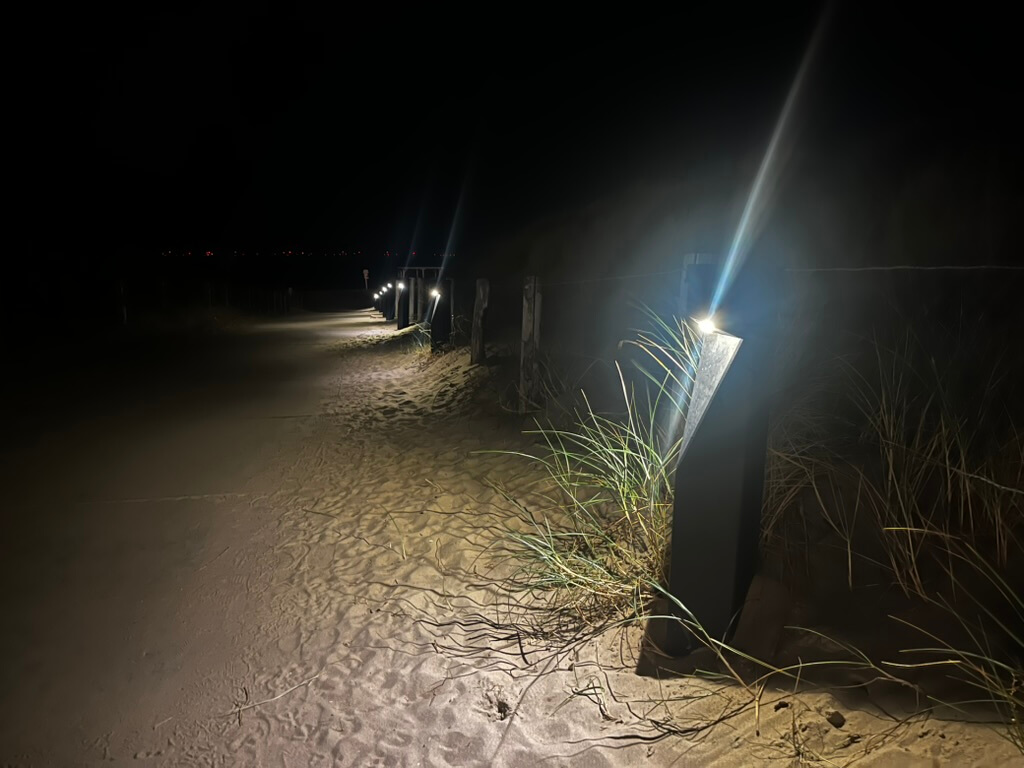
SolarWoodles installed in Noordwijk are designed with such realities in mind. The Woodles are placed along both sandy areas and concrete pathways, and the lighting operates completely off-grid. No underground cables, no connection requests and no dependence on the external electricity supply. Even when wind moves sand across the landscape, the SolarWoodle design ensures that visibility remains. Approximately forty centimeters of the lighting structure stays above ground level, allowing it to continue serving visitors even when sand accumulates around the base. The wooden structure itself is built for strength and longevity. It blends naturally into the beach environment while standing up to demanding weather conditions throughout the year.
For visitors, the result is simple: a safer and more comfortable experience after sunset. For municipalities, the result is infrastructure that works independently. That is safety beyond illumination. Clearly, implementing off-grid lighting for beaches demonstrates how thoughtful solutions can benefit both people and the environment.
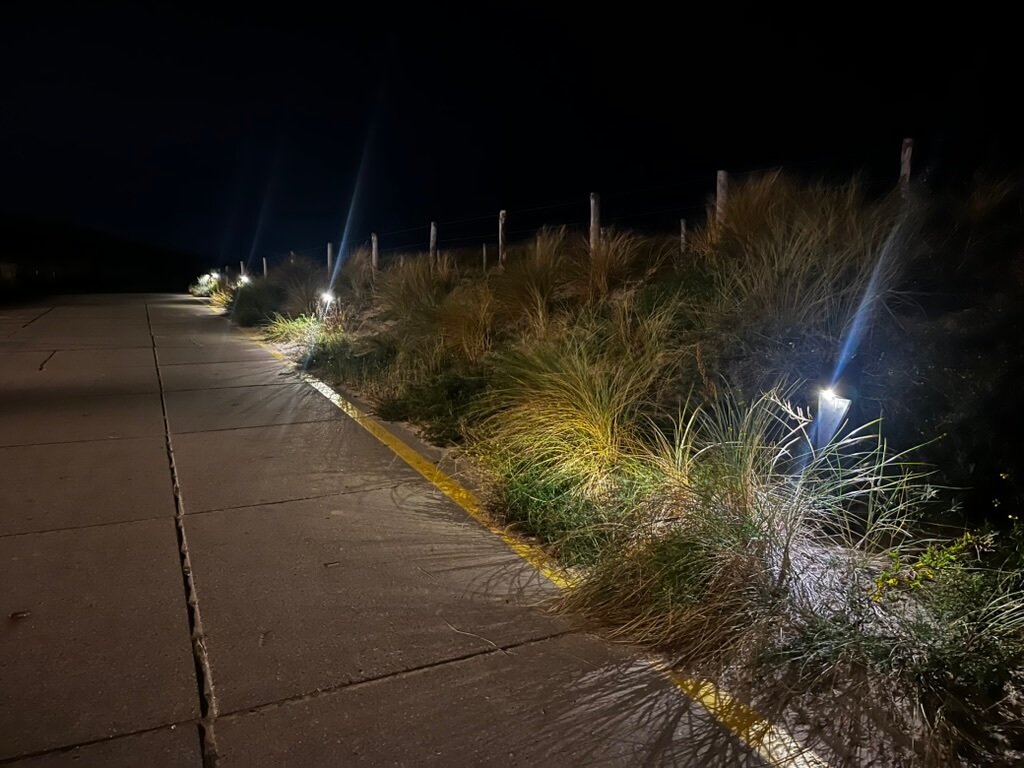
One of the most interesting aspects of the Noordwijk installation is how lighting became more than just a source of light. Many visitors use the beach paths during evening walks, particularly dog owners enjoying the quieter hours of the day. The lighting provides reassurance and visibility without disrupting the natural atmosphere of the coastline. Some SolarWoodle units even include QR codes, creating opportunities for pet owners to access information. Lighting becomes part of the visitor experience rather than simply a utility.
The story of Noordwijk is not really about a beach. It is about resilience. Long before grid congestion became a national conversation, the project demonstrated the value of infrastructure that can operate independently of centralized systems. Today, that lesson feels increasingly relevant.
As cities like Utrecht face growing pressure on the electricity network, the ability to deploy infrastructure without requiring additional grid capacity becomes more valuable. Public lighting, pathways,
parks, temporary developments, and public spaces do not always need to wait for a network connection before moving forward. Sometimes the smartest solution is the one that stands on its own. Looking ahead, people often discuss grid congestion as an energy problem. But it is also an infrastructure challenge, a planning challenge and increasingly, a public space challenge. The experience in Noordwijk shows that independence can be practical, reliable, and beautiful at the same time.
While Utrecht looks for ways to continue growing within the realities of a constrained grid, examples like our SolarWoodle project in Noordwijk remind us that progress is not always about adding more connections. Sometimes it is about designing systems that do not need one. At
SolarWoodle, that belief has guided us from the beginning: infrastructure should serve people wherever they are, regardless of the limitations around them. From the beaches of Noordwijk to the cities of tomorrow, independence is no longer just an advantage. It is becoming a necessity.