Designing Light Around People, Nature, and Place
Good outdoor lighting doesn’t start with a lamp. It starts with the landscape. Understanding why outdoor lighting design should start with the landscape means looking beyond simply placing lights where we think they’re needed. Every landscape has its own character. A forest is different from a park, a campground from a city square, and a nature reserve from a recreational trail. Yet outdoor lighting is often approached in the same way: determine where the light is needed, install the infrastructure, and illuminate the area. But what if we started from the opposite direction? What if the landscape itself determined how, where, and how much we illuminate?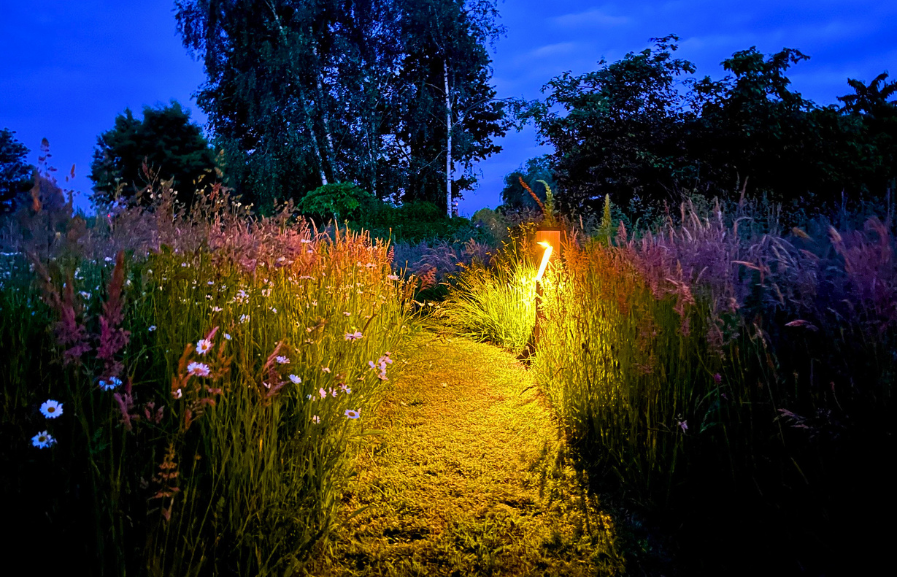
At SolarWoodle, we believe that outdoor lighting should work in harmony with its surroundings rather than compete with them. That means taking people, nature, darkness, materials, and the character of a place into account before considering the technology. By doing so, we take seriously the core idea that outdoor lighting design should begin with the landscape.
The Landscape Comes First
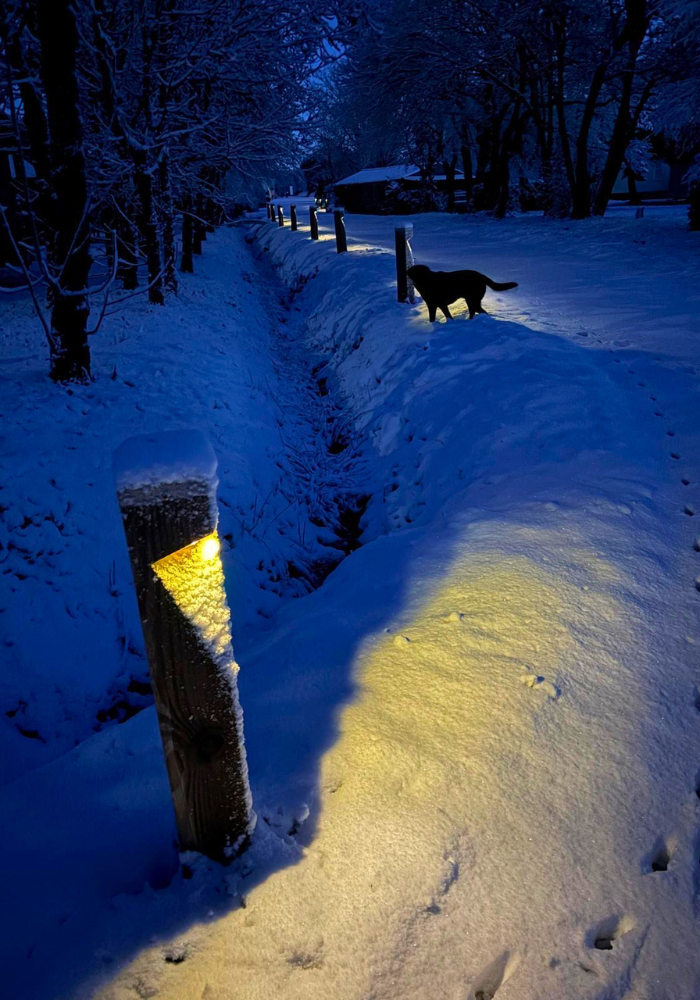
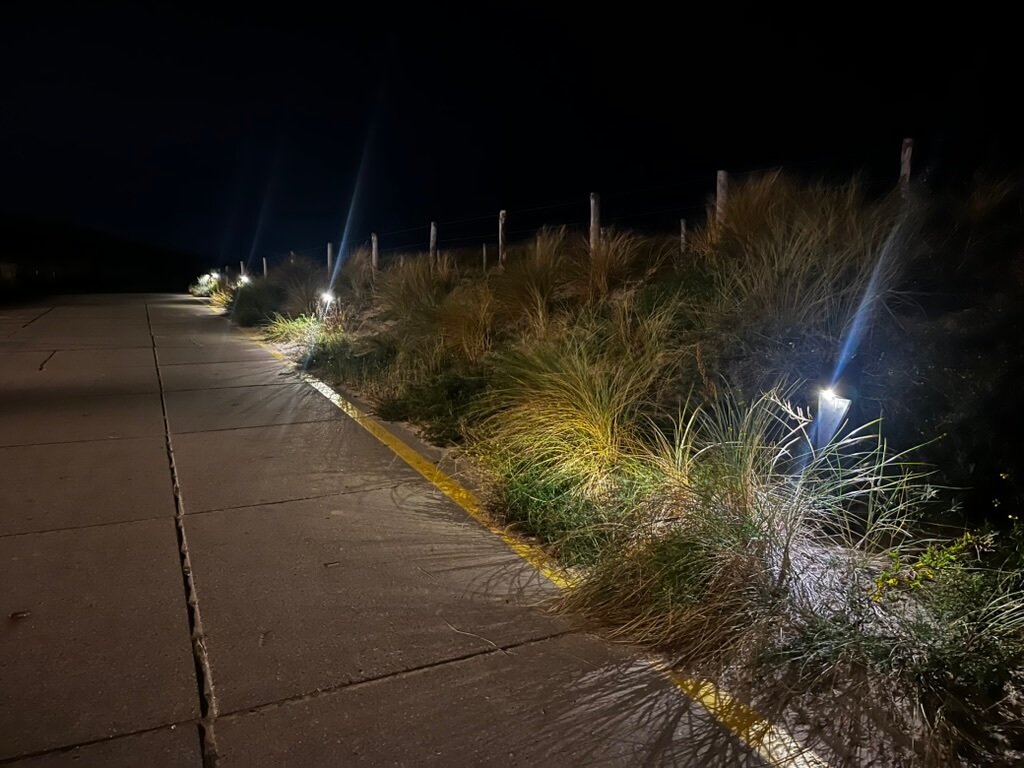
Outdoor lighting isn't just about making a space brighter. It's about creating the right experience after dark. A path through a natural area may need enough light to guide visitors safely, while the surrounding landscape can remain dark. A campground may require comfortable lighting around shared facilities without disturbing the atmosphere of the surrounding environment. In a park, lighting can help people find their way while preserving the character of the landscape. Good lighting design begins with understanding these differences. This is particularly important in places where nature and recreation intersect. 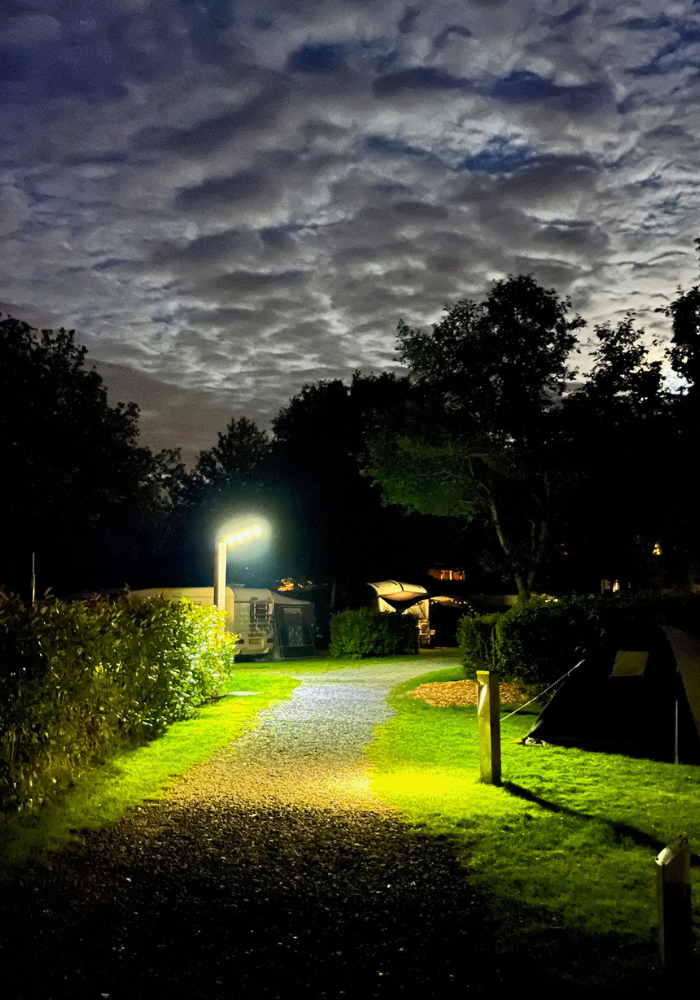
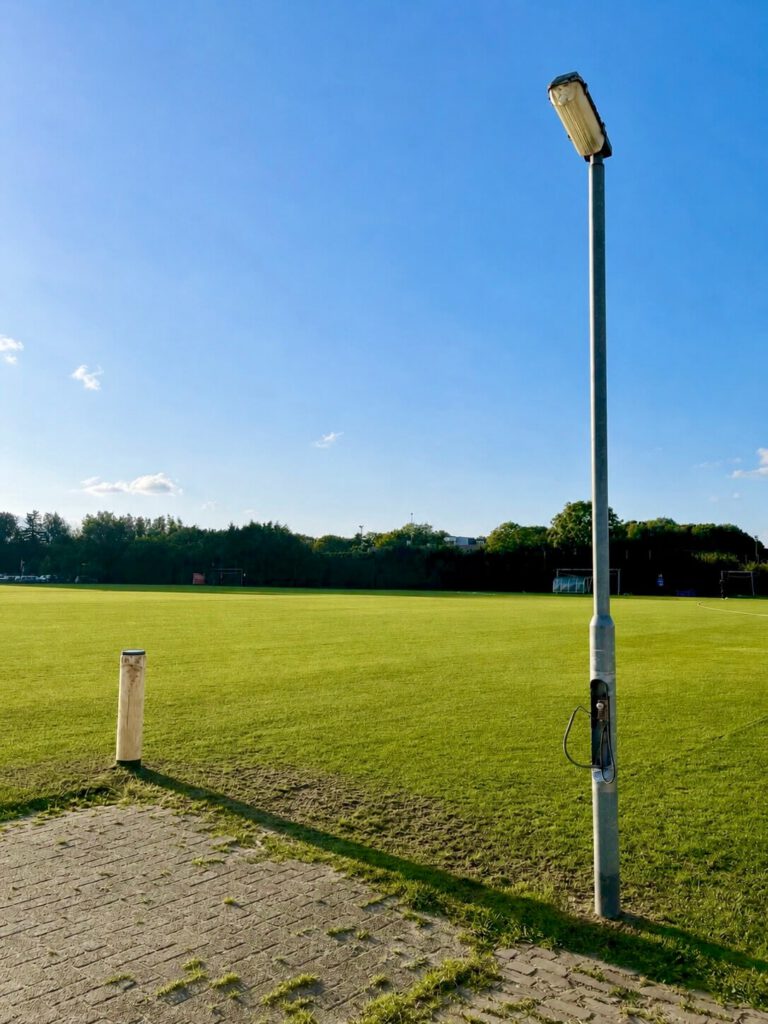
From campgrounds and vacation parks to nature areas and sports facilities, every environment has its own requirements. SolarWoodle’s projects and applications demonstrate how lighting can be adapted to different outdoor settings. In summary, these diverse examples clearly show why outdoor lighting design should begin with the landscape.
More light does not mean better lighting. Unnecessary or poorly directed light can cause glare, reduce visual comfort, and illuminate areas that do not need to be lit. It can also contribute to light pollution, which can affect wildlife and ecosystems. Instead, thoughtful lighting focuses on the places where light provides real value. The goal is simple: light where it is needed and leave the rest of the landscape in darkness. This approach is also reflected in the five principles for responsible outdoor lighting developed by DarkSky International and the Illuminating Engineering Society. These principles emphasize useful, targeted, low-level, controlled, and warm-colored lighting. The result is better visibility and comfort without unnecessarily illuminating the surrounding environment.
Designing for People and Nature
Outdoor spaces are shared by more than just people. When the sun goes down, many animals become active. Insects, bats, birds, and other species rely on natural cycles of light and darkness. For this reason, lighting in and around natural areas requires careful consideration. That doesn’t mean outdoor spaces need to remain completely dark. It means they need to be lit thoughtfully. By considering factors such as light intensity, direction, placement, and timing, it is possible to provide useful illumination while minimizing unnecessary impact on the surrounding environment. This is where good lighting design goes beyond a mere technical exercise; it becomes an integral part of responsible landscape design. Above all, the reason outdoor lighting design should begin with the landscape is that it supports both ecological balance and human needs simultaneously.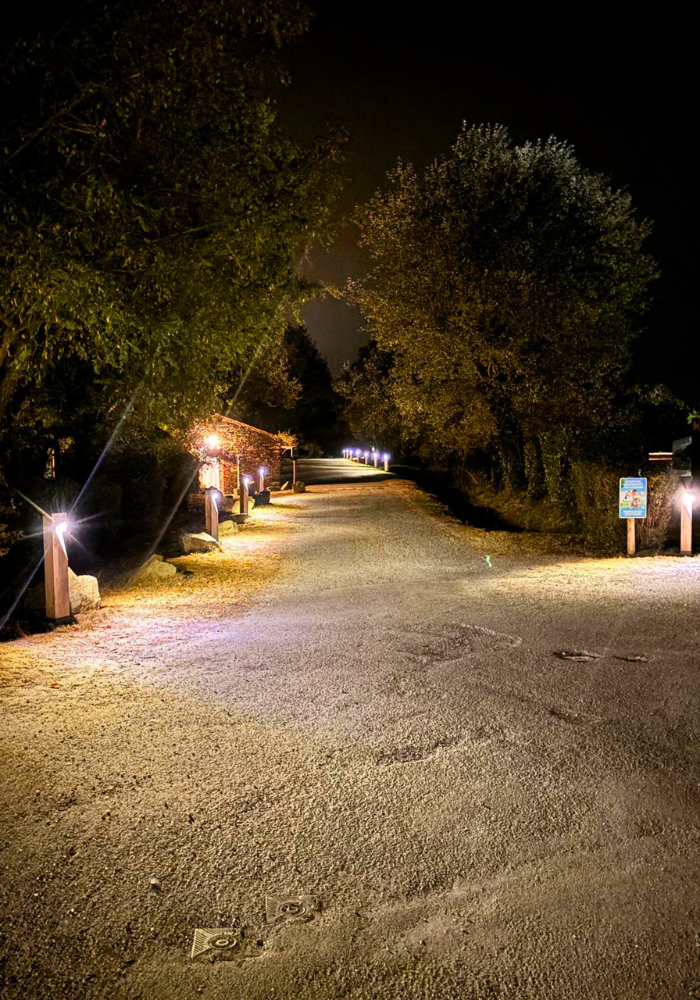
Technology Should Adapt to the Environment
Traditionally, installing outdoor lighting often involves incorporating infrastructure into the landscape: underground cables, electrical connections, excavation, and other technical components. But lighting does not always need to be connected to the power grid. Solar-powered, off-grid lighting offers an alternative approach. By generating and storing energy locally, solar lighting systems can operate independently without requiring underground power cables. This makes it possible to install lighting in locations where connecting to the grid would be difficult, disruptive, or undesirable. For SolarWoodle, technology is a means of creating a better relationship between lighting and its surroundings. Our solar modules, electronics, and software are developed in-house, allowing us to create lighting solutions designed specifically for outdoor environments.
Technology doesn’t have to look like technology. Outdoor lighting can be functional while still feeling natural within its environment. Materials, form, scale, and placement all influence how a lighting solution fits into its surroundings. This is why design matters. At SolarWoodle, we combine solar technology with durable materials and a natural aesthetic, creating lighting that blends seamlessly into parks, forests, campgrounds, recreational areas, and other outdoor environments. The result is not simply a light source placed in the landscape, but a lighting solution designed as an integral part of it. Our Woodles in practice demonstrate how this approach can work in a wide variety of environments. From recreational areas to natural settings, the lighting is designed to complement the location rather than forcing the location to adapt to the infrastructure. In conclusion, the question of why outdoor lighting design should start with the landscape is one that drives the positive evolution of outdoor spaces.
The Future of Outdoor Lighting
As we rethink how we use energy and how we interact with our natural environment, outdoor lighting also deserves a different approach. The question should not only be: Where can we install lighting? It should also be: Where is lighting truly needed? How much is enough? And how can we provide it while respecting the landscape around us? We believe the future of outdoor lighting lies in finding that balance. Lighting should help people move through and enjoy outdoor spaces, while allowing nature to retain its darkness. It should provide functionality without unnecessary infrastructure and combine technology with thoughtful design.
Because the best outdoor lighting doesn't dominate the landscape. It's a natural part of it.