Many people associate light with progress and growth. This is a persistent perception that perpetuates the widespread use of light, according to Marjolijn van Heemstra, writer, theater director, and darkness expert. “There are so many people who don’t realize that light pollution is an issue,” says Ellen de Vries, lighting designer and chair of the light pollution expert group at Spraakmakers.
Listen to the clip on NPO Radio 1 here >
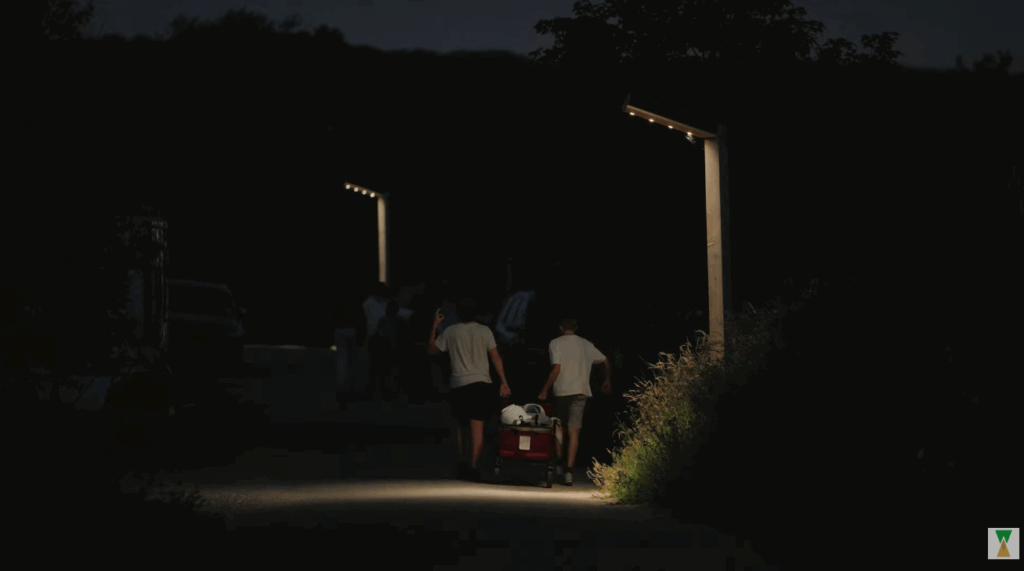
“If you stand under a very bright streetlight, you can’t see your surroundings. You’re vulnerable; you could be attacked without even realizing it. When you dim the streetlight, the world opens up and you begin to see what’s happening around you. “Melight reveals more darkness”
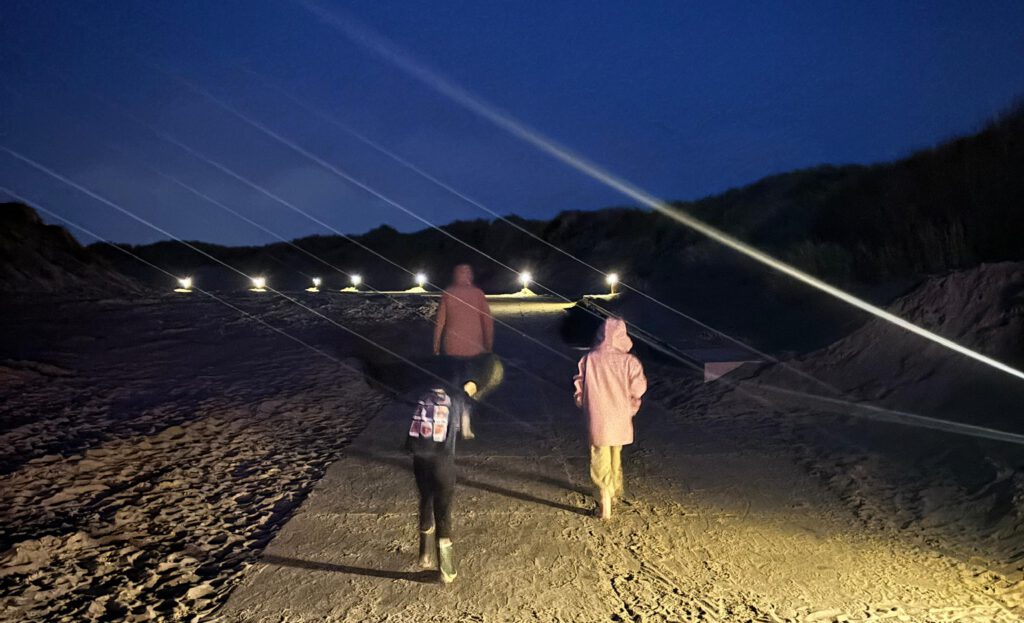
Many people associate light with safety. “The idea that well-lit areas make a city safer is a misconception,” says lighting designer De Vries.
"More light actually creates more darkness," says Van Heemstra. She explains that when you stand under a very bright streetlight, you can no longer see the world around you. "That makes you unsafe, because you could be attacked without noticing. As soon as you dim that streetlight, the world becomes bigger and you can see what's happening."
Nuisance and pollution
De Vries explains that there is a difference between light nuisance and light pollution. "Light pollution is all the light that is in the air, and light nuisance is the light that comes toward us and therefore also disturbs animals."
Van Heemstra explains that there are many animals that really need darkness in order to survive. "Many of them simply die because there are so many lights. All that light has an enormous impact on nocturnal ecology."
Conflict of interest
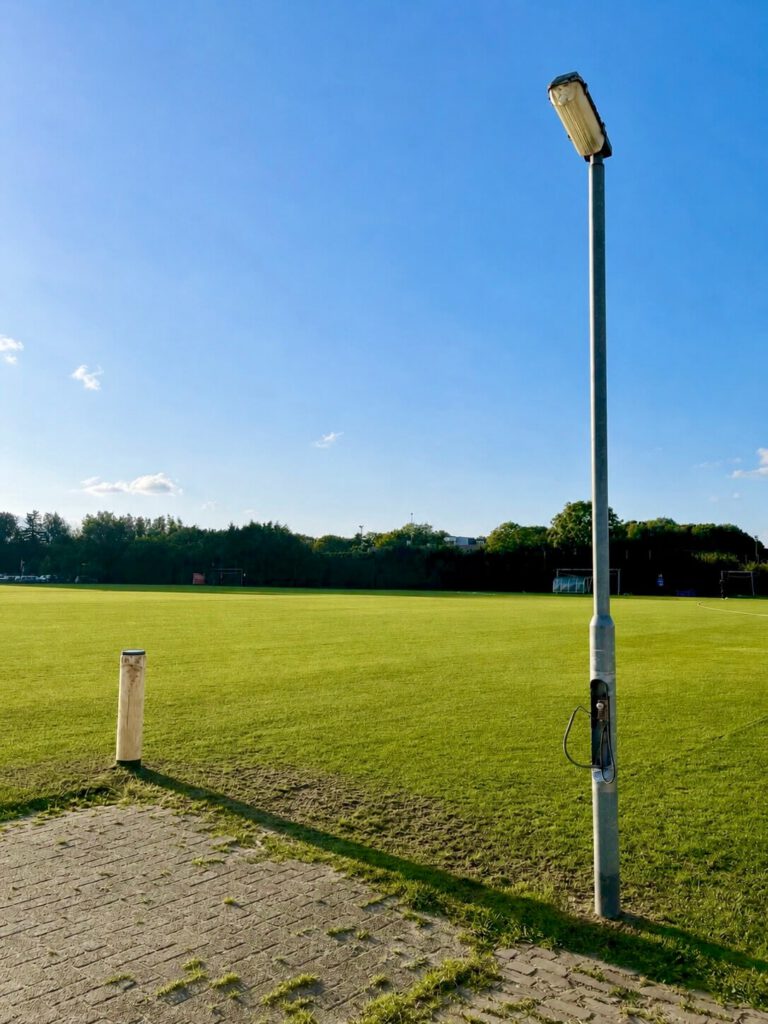
Much of this nocturnal ecology is disrupted by lights from sports fields. "It's fantastic that people can play tennis here in the evening, because sport is very important," says Van Heemstra. "But this bright light penetrates forests and is harmful to everything that lives there."
Problem unknown
"There are so many people who don't know that light pollution is an issue," says De Vries. In addition to the impact that light pollution has on the natural ecology, it also has a very negative impact on our health. Van Heemstra explains that various studies have shown links to disease patterns. "The problem with light is that it's on all the time. So your body can't properly enter its rest mode."
Solutions?
"All artificial light has a negative impact on nature," says De Vries. However, a different color would help somewhat. De Vries therefore advocates dark orange light when no light is not an option.
De Vries also says that, on average, it is dark for eleven hours a day. "If we start by turning off lights that are not needed, we will save a lot of energy, reduce light pollution, and protect nature," says De Vries. "So turn off the advertising, turn off the offices, and turn off the sports fields."